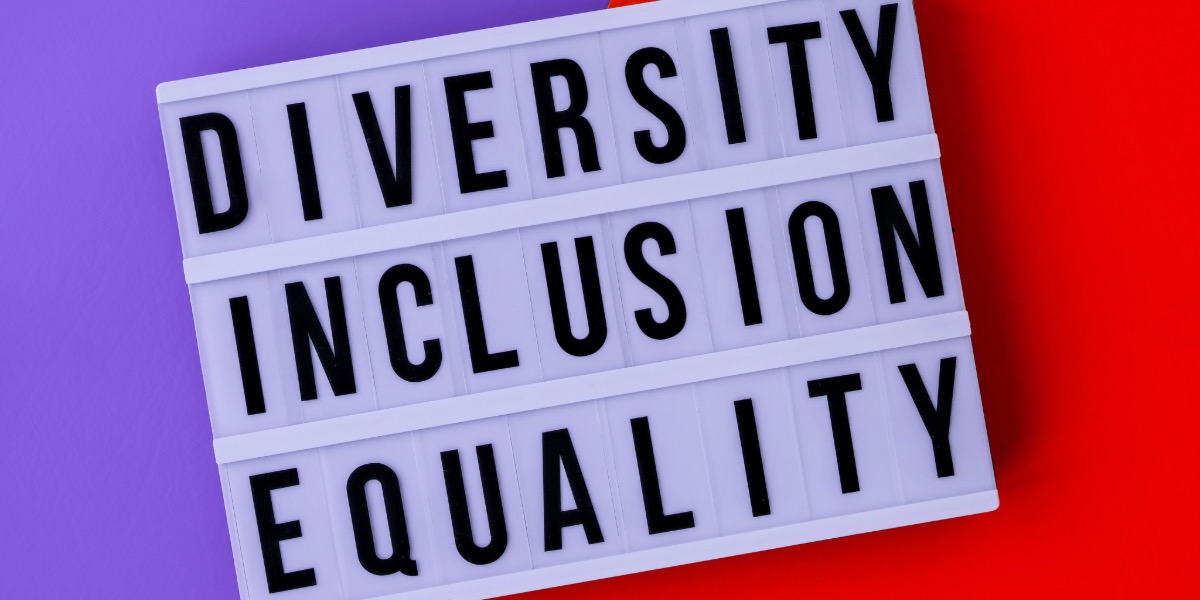
The battle over diversity, equity, and inclusion (DEI) in America has taken a new turn. In a calculated shift, policies aimed at ensuring fair opportunities for marginalized groups are being repackaged as “preferences” – a term now used to justify rolling back decades of civil rights progress. This rebranding and media framing effort, spearheaded by President Donald Trump’s latest executive orders, aims to reshape public perception by making diversity synonymous with discrimination. (Press Conference)
Trump’s recent executive orders, “Ending Radical and Wasteful Government DEI Programs and Preferencing” and “Ending Illegal Discrimination and Restoring Merit-Based Opportunity” demonstrate a clear agenda. By framing these policies as “preferencing” an other, the administration is pushing the idea that efforts to uplift minorities are actually unfair advantages. The argument? That white Americans (who still hold the majority of economic and social power) are being discriminated against because DEI programs exist to level the playing field. It’s a clever twist, a rhetorical sleight of hand that turns civil rights protections into a system of alleged reverse discrimination.
This is not an accident. Words matter. The term “preference” is being used strategically to distort the reality of systemic inequality, suggesting that marginalized groups are receiving unfair privileges rather than long-overdue opportunities.
It is now the civil rights of the majority that are the preference in our society. For years, civil rights laws existed to protect those who had been historically oppressed—Black Americans, women, individuals with disabilities, and others who had been systematically excluded from jobs, education, and government positions. Now, in this new narrative, these protections are framed as injustices against those who already dominate these spaces.
Policies like affirmative action, equal opportunity hiring, and accommodations for disabled workers (article on attacks on the ADA here) are suddenly being cast as an attack on “hardworking” Americans, as if these policies are about handing out jobs and scholarships rather than ensuring fairness.
Trump’s executive orders explicitly target the federal government’s diversity programs, affirmative action policies, and equal opportunity initiatives. According to these orders, these programs are not about fairness but about giving undeserved “preference” to certain groups.
💡 Want more sharp, independent analysis like this? Visit ToSpeakOnline.com and become a member—starting at just 10¢ a day! Your support helps pay our contributors and keeps the platform truly independent.
Follow Us On Your Favorite Platform!