We once had Jesus, then John Wayne, and now we have the influencer. One was a religious figure, another an actor, but what are they really? They’re influencers. Their influence is not to be underestimated, as how we define these figures matters. Our labels shape how we perceive their messages. In the past, society turned to religious figures like Billy Graham, who preached to congregations. Today, influencers preach to their followers. Just as a preacher has a target audience, so does an influencer. Both deliver messages their audiences want to hear, reinforced by those around them—whether in pews or chat boxes—confirming and hardening their beliefs. This article examines the evolution of influencers, their societal impact, especially in politics, and the financial incentives driving their messages, with Tim Pool at center stage.
Influencers today significantly shape opinions on politics. Their messages can sway voting behavior, just like preachers. However, when these messages turn political, they often lead to polarization. For instance, a message advocating for social justice can unite a community, while a message promoting conspiracy theories can deepen divisions. Followers surround themselves with like-minded individuals, creating echo chambers that deepen divisions. This dynamic reflects our current reality: a fragmented society where influencers’ words can either unite or divide. And why, conflict sells.
A significant concern is the financial incentive driving influencers: money. Many depend on sponsorships and ads to sustain their platforms. But what happens when an influencer’s message is shaped by a party that doesn’t prioritize the audience’s best interests? For instance, Russia has funded right-wing influencers (e.g., Tim Pool) through platforms like Tenet Media (for more information, click here) to spread content designed to reduce social cohesion and sow distrust in US institutions. These messages, crafted for foreign agendas, can destabilize domestic discourse and undermine authority in US institutions.
Take Tim Pool, host of the podcast The Culture War. Tim Pool benefits immensely from promoting division and anti-institution rhetoric. This rhetoric validates his lack of credentials (e.g., no high school degree, college diploma, or academic achievements), his influence on millions daily, and his visibility as an authority due to his social capital. His anti-authority stance and distrust of institutions align with his self-interest—and potentially others’ agendas. The podcast’s title, The Culture War, is a clickbait tactic that monetizes polarization. His message is one of war and division, not unity or compromise, raising urgent questions about influencers’ role in amplifying conflict. Just as weapons can be purchased to cause harm, so can influencers.
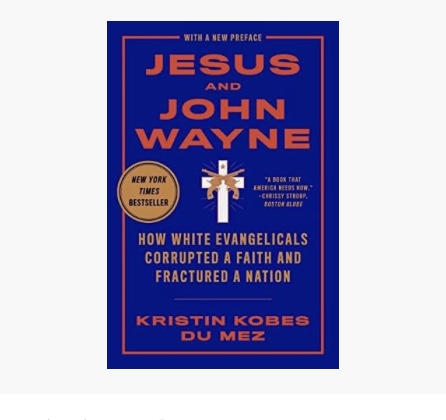
Jesus and John Wayne: How White Evangelicals Corrupted a Faith and Fractured a Nation
Let’s take a moment to reflect on who we listen to, why we listen to them, and the impact their message has on our society. It’s crucial that we approach influencer content with a critical mind, understanding the potential impact and implications of their messages. This critical thinking empowers us to make informed decisions about the content we consume and the influencers we choose to follow.
My article was inspired by Jesus and John Wayne by Kristin Kobes Du Mez, which examines how cultural icons shape religion and politics. I highly recommend this insightful book to anyone interested in these topics. Get your copy here and see more reading suggestions here.
💡 Want more sharp, independent analysis like this? Visit ToSpeakOnline.com and become a member—starting at just 10¢ a day! Your support helps pay our contributors and keeps the platform truly independent.
Follow Us On Your Favorite Platform!