After the diagnostics, the diagnosis, the treatment and learning to live with epilepsy—after the pills, procedures, and the long recoveries, what remains? Who’s the person carrying it all. This section is not about medicine, but what survives it: the fractured self, stitched together by necessity, performance, and survival. Everything I’ve shared thus far has shaped the masks I’ve worn and the roles I’ve learned to play. But behind every adaptation is a question that’s harder to face than any seizure: Who am I. What seems to be a never-ending strife.
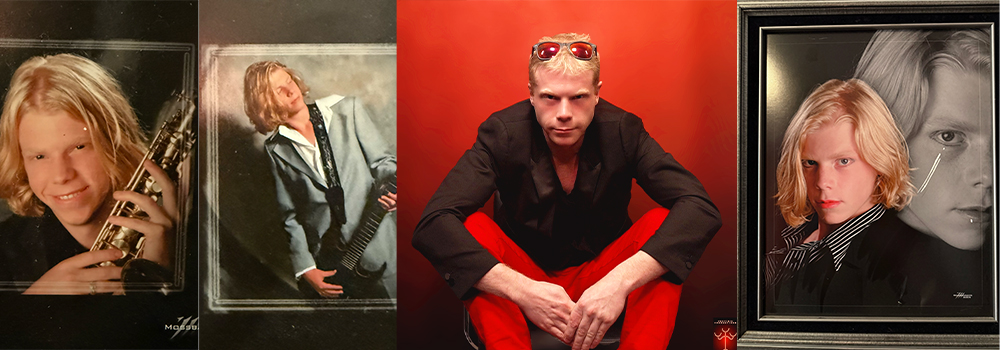
The Musician and Artist
This topic, identity, interests me most as I believe it lies at the core of my deepest insecurities. Who we portray ourselves to be depends on where we are, our intent to be there, or whom we are with. Now, this, to one degree or another, is ubiquitous across the population but to those with hidden ailments, epilepsy (Patients’ Perception of Epilepsy and Threat to Self-Identity: A qualitative Approach, 2013), chronic illness (Reconstructing a Meaningful Self: The Identity Work of People Living with Chronic Disease, 2024), people with addiction and alcoholics, PTSD (Developmental trauma: Conceptual framework, associated risks and comorbidities, and evaluation and treatment, 2022), and the like. Its propensity to occur and the degree to which it expresses itself is significant.
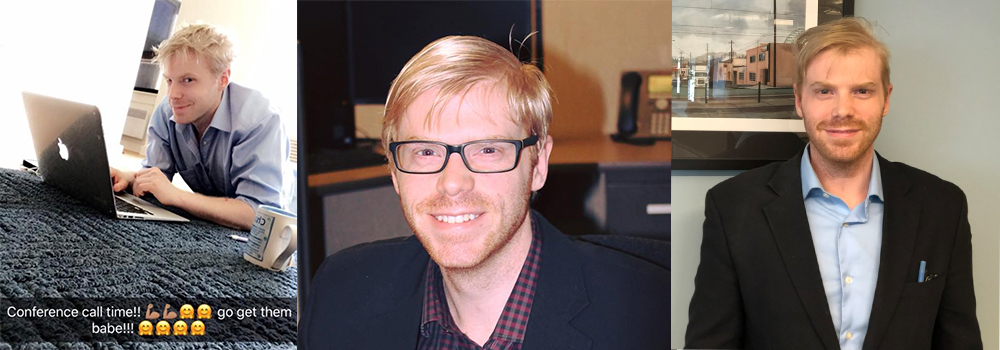
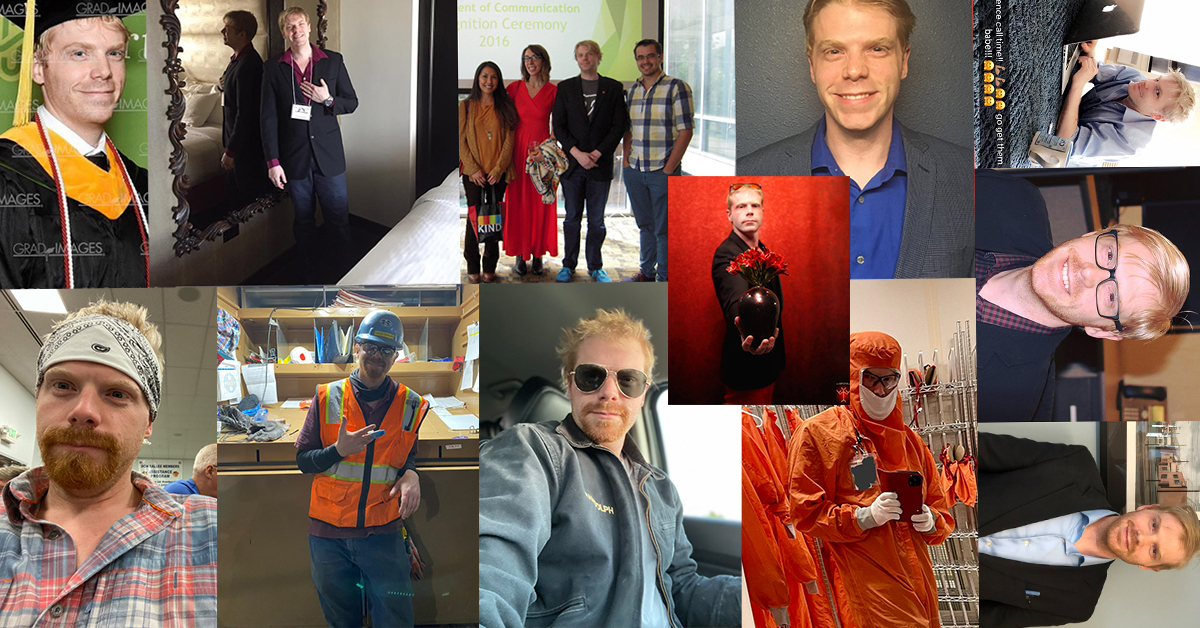
The Corporate Self (hated combing my hair…)
As a child, I remember that at six years old, at our small-town high school, my mother sang and acted out different characters as she rehearsed with friends on stage. She was so happy. I recall my Parents’ change in behaviors after the divorce, my Father’s change in dress and speech as he moved up professionally in authority, and my Mother’s stress on etiquette, mannerisms, and presentation. I can’t help but think I observed their effectiveness and applied them to survive, and I can’t help but consider how so many others who have experienced trauma in their life have as well. The social masks we wear and the development of those characters – it can be an addiction in itself – the test of a characteristic and the observation of effect.
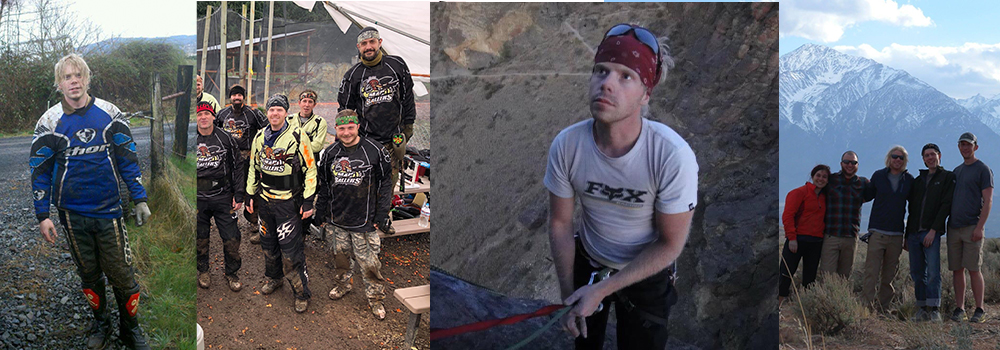
The extreme sports self
Our once whole identity is now a shattered piece of pottery put back together with adhesive and painted to reflect our environment’s current fad for social consumption. Just who would we be if we left that piece on the table and walked out the door? Something beautiful? There are people I’ve known my whole life that don’t know anything of what I said in this series of articles – or just a part – not the story – carefully selected clips from the reels composed to express strength rather than vulnerability. They see accomplishments and know nothing of the setbacks. And sadly, many of these learned behaviors have been reinforced throughout the years. For example, 42% of UK managers wouldn’t hire someone with epilepsy, according to a survey by EpilepsyAction.com. One employer I looked up to dearly once said – “Charles, if you’re not an asset, you’re a liability.” They found out I had epilepsy, I was criticized by supervision, transferred, and fired for leaving early for a family emergency in a week. I became that liability. Things like that and betrayal stick with us.
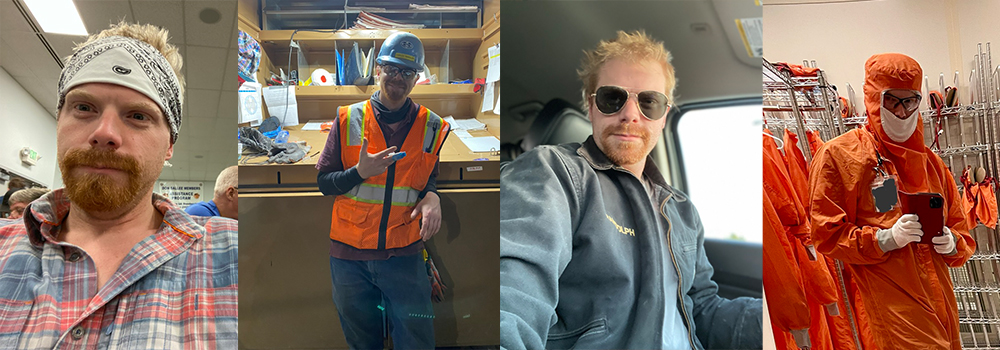
The Union Steamfitter Self
In fact, that phrase has shaped me, in turn, encouraging me to turn my liabilities into an asset. A message I hope to pass on to you and society. Let us not allow our society to be shaped by an economic outcome – a profit and loss report or inventory of assets and liability’s. There is a place for everyone and a place to contribute. A place where – we – want to contribute.
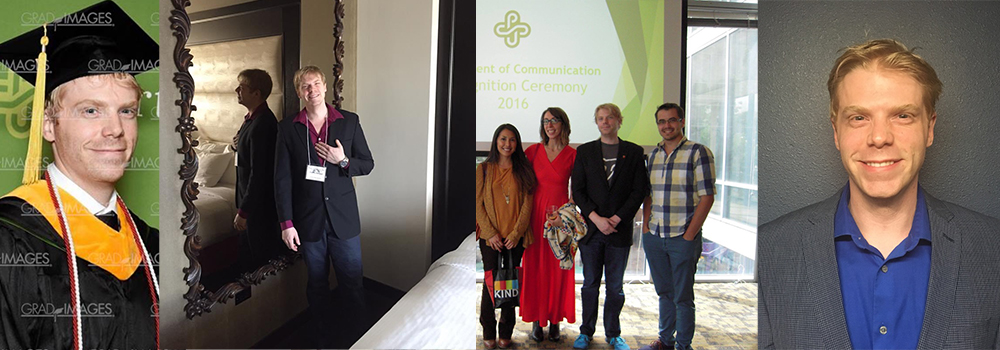
The Academic Self
All I’ve ever tried, and many do, is to be that asset and give even more of myself than others, hoping those efforts will be remembered if or when something happens. Many of us want to be vulnerable and honest, but those like me fear the day we become that liability and burden on others. It’s shame – that shame is like a stain added to glass, forever changing our perception and affecting everything, including our personal and professional relationships. Who we are when we walk out that door and who we are when we walk in are two entirely different people. I guess this is me hoping they can meet next time I open that door, me being vulnerable in hopes of bringing an end to that strife.
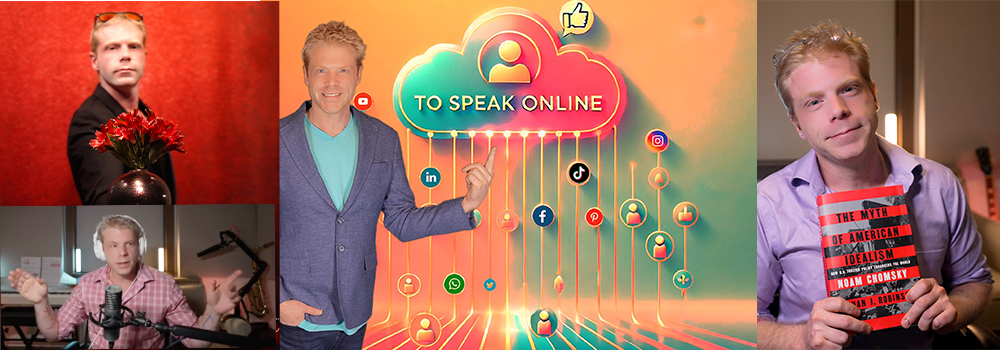
Where we’re now – the creation of ToSpeakOnline.com (I’m wearing out, hope this is the last lol)
💡 Want more sharp, independent analysis like this? Visit ToSpeakOnline.com and become a member—starting at just 10¢ a day! Your support helps pay our contributors and keeps the platform truly independent.
Follow Us On Your Favorite Platform!