The Great American Trauma Olympics
This is your trigger warning
So be prepared to take offense
But it’s not meant to harm – just designed to make a crack
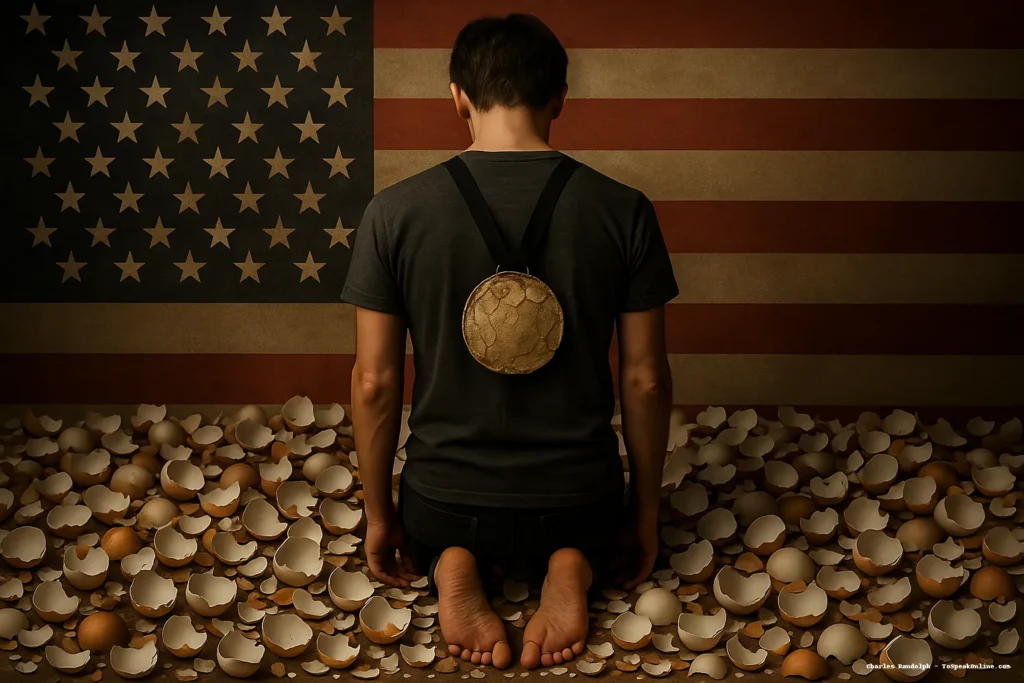
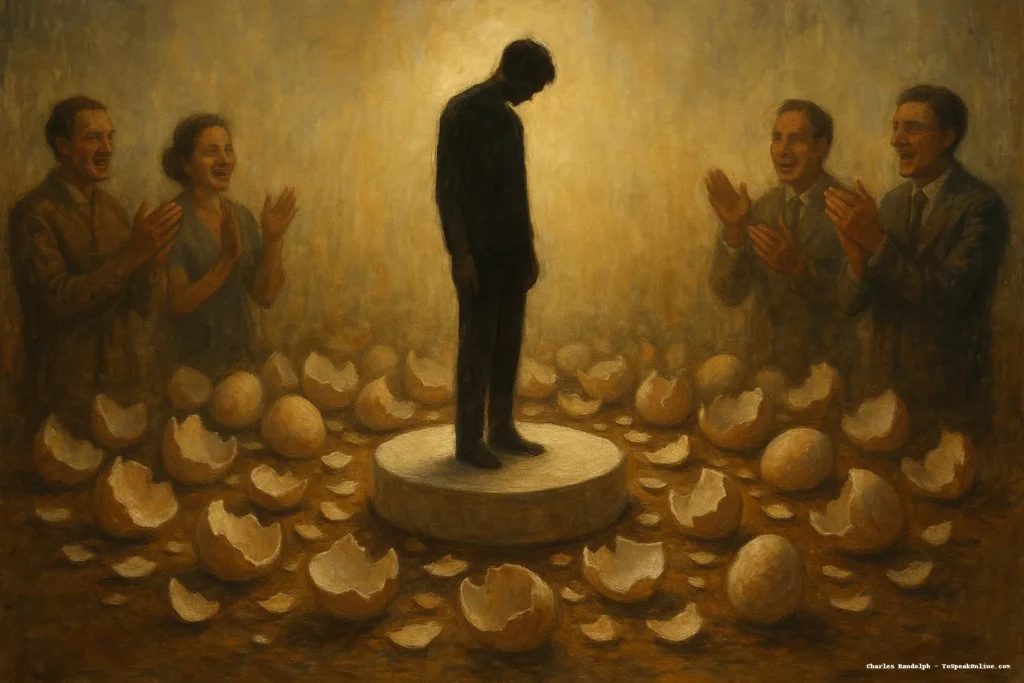
Eggshells surround you
Not ones I brought or broke
Each you eagerly placed – often just to relate
You have trauma
Yes, we all do
but your pain is not a mark – to mistreat or berate
Trauma is overused
It’s become a trend
Now a social concession – to silence and not take offense
Many have earned it
It’s a silent heavy badge
But its weight is a burden – not a social contest
Its unexpected pining
Is rarely shown or shared
For its often worn with misplaced shame
The kind that tells you – you’re unlike the rest
One thing about trauma
It’s something that’s imposed
The last thing those with trauma want
Is to force you to change your prose
About this poem
This poem was inspired by 3 events
The first came at a poetry slam. I was dismayed by what I heard. The poetry I grew up reading had intention. It carried messages – warnings, critiques, substance. But that night, what I heard were trigger warnings stacked atop stream-of-consciousness with little structure and no discernible point. Warnings were issued for topics that required no warning. It reminded me of a teenager overwhelmed by emotion but unsure of how to communicate it. I heard no insight. Just emotional overflow and often very performative.
My second source of inspiration came from the recovery community. Since my early twenties, I’ve surrounded myself with people in recovery. People who’ve faced unimaginable adversity, often beginning in childhood. They’ve survived abuse, abandonment, loss and every day they show up. Not only do they refuse to give into addiction, but they also carry their burdens with humility. They could ask the world to bend to their pain but they don’t. They struggle quietly, consistently. When I first joined that space, I tried to relate by comparing my story: a broken home. But over time, I gained perspective. I wasn’t beaten. I wasn’t abandoned. I wasn’t a victim of sexual assault. I had challenges but not to the degree many of them had. There’s power in recognizing not just what’s happened to us, but how much we allow it to shape what we do next.
The third observation is one I see growing every day: the use of trauma to justify harm.
“I did this because of what I’ve been through.”
Yes, our feelings may not always be within our control. But our actions are. When trauma is used to excuse patterns of behavior that hurt others, we don’t help by sympathizing blindly, we enable. We reinforce cycles that ultimately disempower everyone involved.
I’ve lived a life with chronic illness, since a child. It’s brought its own kind of pain and isolation. And I’m grateful every day for the examples I found in the recovery community – without them, I don’t know where I’d be.
So, I dedicate this poem to those who have endured the kinds of uncontrollable, uninvited events that reshape a life. The word “trauma” once referred to something acute and something exceptional, like what soldiers brought back from war. When that word becomes so ubiquitous it applies to the everyday stressors most people face, we dilute its meaning. We risk stripping it of the very respect it deserves, along with the people who’ve truly had to rise from it.
– Charles Randolph
Poetry is where the ideas on this site start, long before they become essays. You can help keep that work going.
Follow Us On Your Favorite Platform!
Visual Interpretation
Video Interpretation