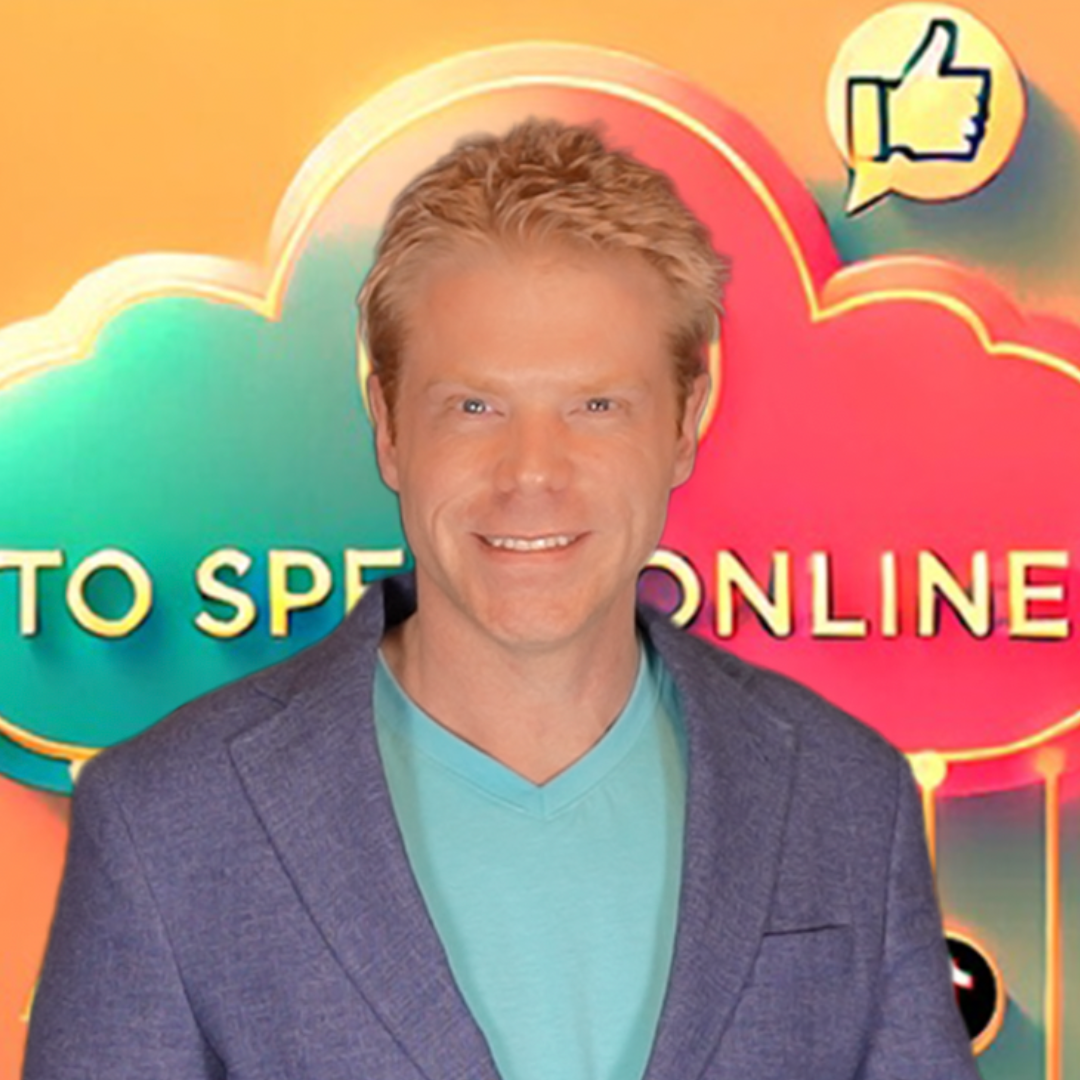
Portland, Oregon – On a stage draped with blue curtains, Charles Randolph sat down with David, a survivor of suicidal ideation and suicide awareness advocate for mental health recovery, for a poignant and eye-opening interview. David’s story, shaped by generational trauma and personal struggles, intertwines tragedy, resilience, and a mission to help others.
David, a social worker pursuing his master’s degree, described his life as a narrative deeply connected to suicide, with family history casting a long shadow. “My family tree is riddled with nooses,” he said, sharing the stories of relatives lost to suicide and alcoholism. His father’s death by suicide in 2021 was both a painful blow and a turning point in his journey.
Reflecting on his youth, David spoke of an anxious childhood that morphed into depression and reckless behaviors. He also described how personal relationships often triggered his crises, as unresolved childhood trauma led to fears of rejection and feelings of being unlovable. While he never directly attempted suicide, he admitted to engaging in indirect self-harm through risky activities, substance use, and compulsive behaviors. These actions, he explained, stemmed from a deep sense of unworthiness.
The conversation shifted to David’s struggle with rumination, that is repetitive, dark thoughts that can fuel suicidal ideation. “It’s like a feedback loop,” he explained.
David shared the significance of reaching out for help during his darkest times. He emphasized the role of recovery communities and close relationships in providing the connection and understanding necessary to break the cycle of despair. “The opposite of addiction is connection,” he said, highlighting the human need for meaningful relationships.
Despite his academic and professional background, David admitted that intellectual self-awareness was only part of the solution. True healing, he said, comes from embodying mindfulness, embracing vulnerability, and engaging in open conversations with trusted individuals.
The discussion also tackled societal stigma around suicide. David expressed a desire for greater compassion and understanding for those in crisis, urging people to approach such situations without judgment. He recounted his work with patients who struggled to articulate their pain, emphasizing the importance of holding space for their experiences without panic or dismissal.
One particularly challenging topic was the “contagion effect” of suicide. David admitted that media depictions and personal losses had influenced his own thoughts, especially regarding methods. However, he also recognized the danger of glorifying these stories, stressing the need for responsible storytelling.
When discussing suicide prevention, David emphasized the importance of safety plans, a common tool in crisis intervention. These plans help individuals identify their triggers, support systems, and steps to take when they feel at risk. While he acknowledged the limitations of policy in preventing suicide, he highlighted the value of reducing access to lethal means as one layer of protection.
David’s professional insights blended with his personal experiences to create a nuanced perspective on mental health recovery and suicide awareness. He spoke of his father with a mix of sadness and compassion, framing his suicide as an act of desperation rather than selfishness. “He was just trying to take care of his own needs,” David said.
The conversation ended on a hopeful note, with David advocating for suicide awareness and greater societal dialogue about mental health. He praised initiatives like the 988 Suicide Crisis Lifeline, which provide immediate support to those in need.
Charles Randolph closed the interview by thanking David for his bravery and openness. The discussion not only highlighted the personal cost of untreated mental health struggles but also underscored the potential for healing through connection, understanding, and compassion.
For anyone struggling, David’s story serves as a reminder: help is available, and the first step is reaching out.
💡 Want more sharp, independent analysis like this? Visit ToSpeakOnline.com and become a member—starting at just 10¢ a day! Your support helps pay our contributors and keeps the platform truly independent.
Follow Us On Your Favorite Platform!